


The need for special education services is growing in Minnesota, and that means demand for additional staff at every level of the education system.
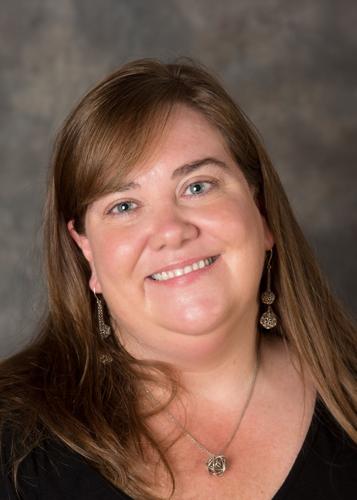
“We’re having staff shortages across society,” said Heather Sage, director of special services at Litchfield Public Schools. “Unfortunately, we have experienced that here.”
The biggest area of concern is the need for paraprofessionals, who support teachers by providing one-on-one or small group instruction, supervising students, preparing instructional materials, facilitating activities and offering additional assistance in and outside of the classroom for special education students.
Sage, who started in her position roughly two years ago, said she has hired at least one new person every year to adjust for staff who move on or when she has a higher caseload of students.
“Kids’ needs change throughout the year,” Sage said. “We’re constantly collecting data and analyzing it to make sure students are getting the help they need. And our end goal is to help students not need us anymore.”
Sage is keeping ahead of the curve, making sure the needs of her staff and students are covered.
“We’re hiring right now, actually,” she said. “I know we need a few paras at (Litchfield) middle school and high school.”
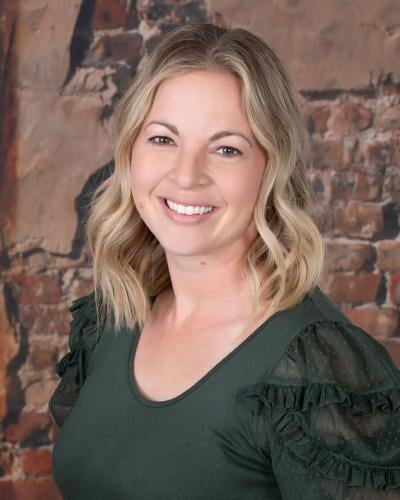
Karen Lerfald, director of special services at Hutchinson Public Schools, said the district is looking to fill an additional staff position as referrals and move-ins from other districts have increased.
“Last year we had 41 referrals to our special education program,” Lerfald said. “This year we are already at 33 initial referrals.”
Lerfald said she knows from previous data that numbers won’t go down in the foreseeable future, so to comply with state mandates and to keep staff properly equipped she needs more people.
Since its inception in 1975, special education programming has doubled in size nationally. In less than 50 years the population of special education students went from 3.6 million students to 7.3 million as of the 2021-2022 school year according to the National Center for Education Statistics.
Last year the Minnesota Department of Education recorded that 17% of Minnesota’s students were in special education and Hutchinson ranks above the state’s overall total with 18% of students in the district being in special education with Litchfield having a higher special education population at 20%.
“Unfortunately, special education is where we’re seeing the biggest deficit in teachers,” Lerfald said. “There’s not enough people going into special education to fill the needs we and everyone else are having.”
Sage and Lerfald said they are lucky to be fully staffed with their current numbers. Teacher positions are filled, but they need additional coverage from paraprofessionals.
“We’re seeing more early childhood services needed, as well as an increase in the severity of student needs,” Lerfald said. “We’re very lucky to be really what’s considered fully staffed as far as certified teachers. Many districts right now have vacancies in those certified staff. So you do see some places where caseloads are much higher. Classrooms are much more packed just because they don’t have people to hire.”
This isn’t to discredit current staff. Lerfald and Sage said their educator teams have effectively managed student caseloads.
“The folks that we have, I’m so proud of,” Sage said. “We have a couple of new paras this year and they’re jumping right in, and I couldn’t be prouder of them, and we’re always looking to support them.”
“We have exceptional staff here who really go above and beyond to support students,” Lerfald said.
Both districts are keeping an eye on their special education populations, because they want to make sure every student’s needs are met.
“It takes the full team — teachers, paras and parents,” Sage said. “Everyone’s there to support students, and it’s really a great thing.”


