

The Minnesota DNR has confirmed the presence of zebra mussels in Eagle Lake, about a mile north of Willmar. It is the third Kandiyohi County lake in two months — joining Norway Lake, just west of New London, and Diamond Lake, southeast of Spicer — in which the harmful invasive specie has been discovered. All connected waters from Norway Lake downstream to Lake Andrew have also been added to the infested waters list.
A property owner contacted the DNR after finding a one-half inch zebra mussel on the north side of Eagle Lake. DNR staff subsequently conducted a two-hour snorkel search and found one additional zebra mussel on a settlement plate attached to a dock, according to a news release.
The lake will be monitored for additional zebra mussels.
“It’s helpful when lake users contact the DNR if they think they’ve found a zebra mussel or any other invasive species,” DNR invasive species specialist Eric Katzenmeyer said. “We ask people to keep the specimen and send us a photo, to assist with identification and confirmation.”
There are several ways to be a more observant lake user. Download the detection app and use it to report invasive animals and plants. Build a settlement sampler plate, using instructions available here. Consider becoming a certified aquatic invasive species detector through University of Minnesota Extension or get engaged with lake or county monitoring programs.
Whether or not a lake is listed as infested, Minnesota law requires boaters and anglers to:
- Clean watercraft of aquatic plants and prohibited invasive species;
- Drain all water by removing drain plugs and keeping them out during transport;
- Dispose of unwanted bait in the trash.
Some invasive species are small and difficult to see at the access. To remove or kill them, take one or more of the following precautions before moving to another waterbody, especially after leaving infested waters:
- Spray with high-pressure water;
- Rinse with very hot water (120 degrees Fahrenheit for at least two minutes or 140 degrees for at least 10 seconds);
- Dry for at least five days.
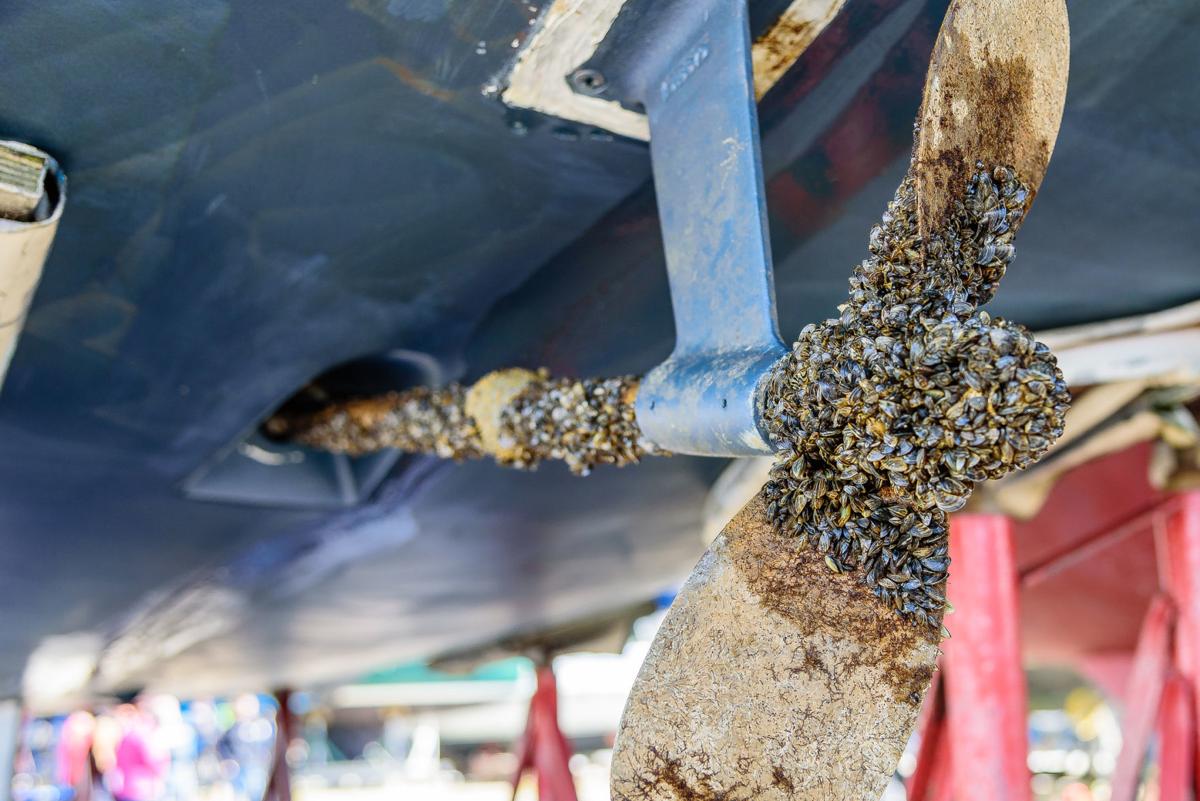
Zebra mussels can compete with native species for food and habitat, cut the feet of swimmers, reduce the performance of boat motors and cause expensive damage to water intake pipes.
People should contact an area DNR aquatic invasive species specialist if they think they have found zebra mussels or any other invasive species that has not already been confirmed in a lake.
More information is available at mndnr.gov/ais.


