

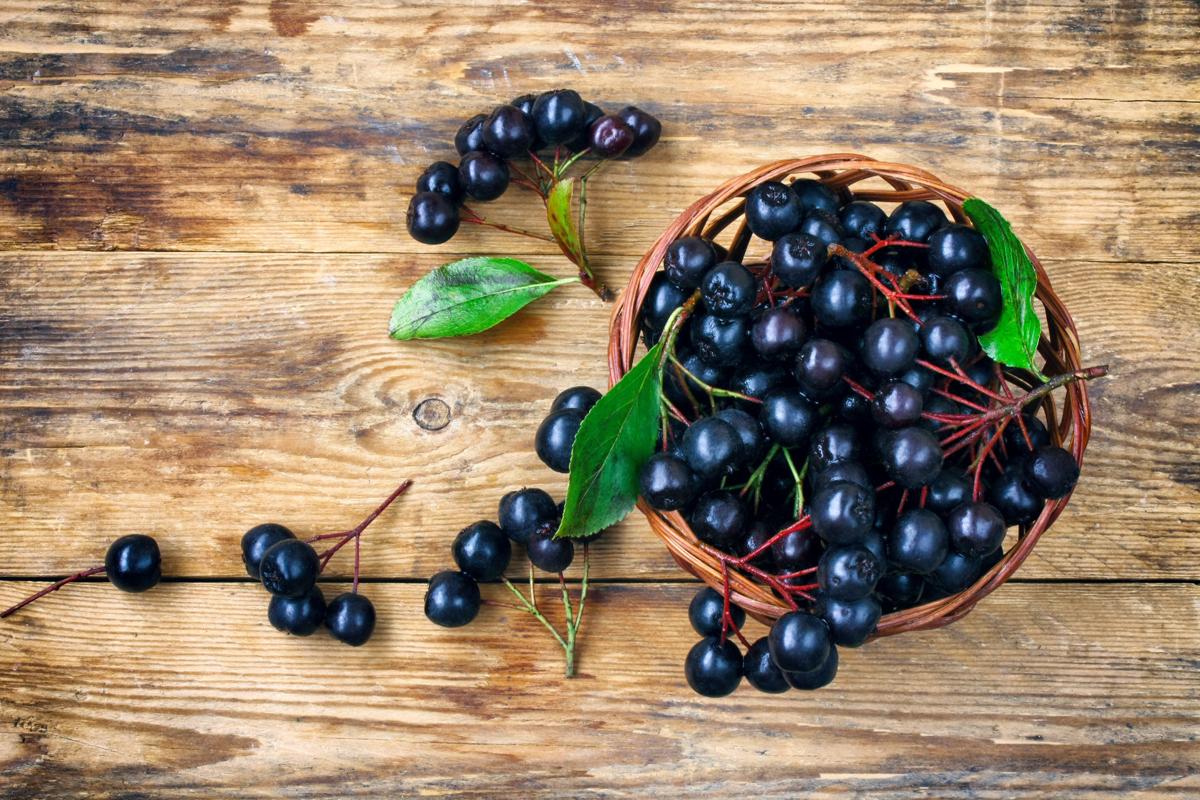
Forty-nine years ago, Rennie Malinski wrote this recipe column for the Independent Review. It was printed in the Aug. 20, 1969 edition. To this day, Malinski said she still receives calls from readers asking for her chokecherry jelly recipe.
Wild fruits from Minnesota's fields and woods can provide the makings of delectable preserves and beverages.
Chokecherries, June berries, blueberries, pin cherries, gooseberries, wild grapes, highbush cranberries and wild plums all make delicious jams or jellies. They may also recall, for many older people, happy memories of childhood berry-picking expeditions.
Some of these fruits may be too low in pectin to jell; hence it will be necessary to combine them with juice from tart green apples or with a liquid commercial pectin. Consult the directions that come with commercial pectin. Or, if there are no directions for wild fruits, here are some suggestions:
- To ensure enough pectin to form a gel, mix some under-ripe fruit with ripened fruit.
- Use 3/4 cup sugar to 1 cup fruit juice. Boil together rapidly in a large kettle, using about 3 cups of juice at one time. Boil until two drops of jelly run together and sheet off the spoon.
Chokecherries should be only partly ripe for the best jelly; the best flavor is produced by mixing chokecherry juice and juice from tart green apples in equal proportions. Use equal parts of fruit and water. Boil gently until the fruit is pulpy, then strain though a jelly bag overnight. Measure and add tart apple juice in equal amounts. Use 3/4 cup of sugar to each cup of juice. Boil rapidly until two drops run together and sheet off a spoon. Skim and pour into hot glasses or small jars, sealing with canning jar lids or paraffin.
Chokecherry jelly may also be made with commercial liquid fruit pectin:
3 cups chokecherry juice
6-1/2 cups sugar
1 bottle liquid fruit pectin
1/3 teaspoon almond extract (optional)
Pour juice into large kettle. Add sugar and mix well. Place over high heat. Bring to a boil, stirring constantly. Stir in pectin and bring to a full rolling boil. Boil hard 1 minute, stirring constantly. Remove from heat, stir and skim 5 minutes. Add extract. Pour into hot jars and seal.
If you decide to go on a berry-picking expedition with the family, be sure to cover your arms and legs to protect yourself both from poison ivy and mosquitoes.
If you return with such quantities of wild fruits and you do not wish to make it all into jam and jelly, you may can or freeze the fruit juice and use it later for making jelly. To prepare the fruit for juice: wash the fruit, remove the pits, if desired, and crush the fruit. Heat to simmering, then strain through a cloth bag. Fill jars to 1/2 inch from the top with hot juice. Adjust the lids, and process pints and quarts in a boiling water bath for 10 minutes.
To freeze fruit juice, pour the juice into a jar within 2 inches of the top and seal. That amount of space is necessary because the fruit juice expands considerably in freezing. When ready to use the juice, thaw it at room temperature or under cold running water. Stir the juice before measuring it for jelly.


