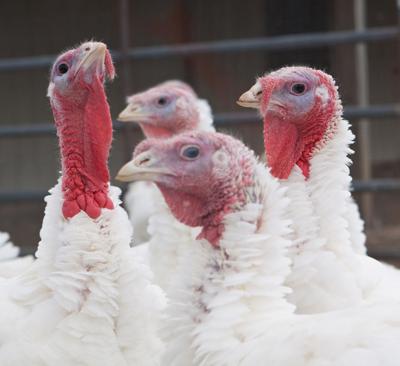
A Meeker County poultry flock is one of two in the state afflicted with confirmed cases of the bird flu, according to the Board of Animal Health.
Samples taken from flocks in Meeker and Mower counties were tested Friday at state laboratories and confirmed by the U.S. Department of Agriculture’s National Veterinary Services Laboratories in Ames, Iowa, showed H5N1 highly pathogenic avian influenza, or bird flu.
The Meeker County case involves a commercial turkey flock of almost 300,000 birds, where mortality and signs of depression were reported. That report led to samples being collected and tested at the Minnesota Poultry Test Laboratory in Willmar.
Jennie-O Turkey Store in Willmar announced Saturday that highly pathogenic avian influenza was confirmed in its supply chain, on one Minnesota farm operation.
A Mower County backyard flock of chickens, ducks and geese also was tested, by the University of Minnesota Veterinary Diagnostic Laboratory in St. Paul, after a report of increased mortality.
“These are the first cases of HPAI in the state of Minnesota since 2015,” said Dr. Dale Lauer, poultry program director for the Board of Animal Health. “Poultry producers and backyard flock owners need to be on alert and contact their veterinarian immediately if they see any changes in their flocks. Everyone in poultry facilities needs to follow the site’s biosecurity protocols every time to prevent the spread of disease.”
The state enforced a quarantine of both confirmed sites, and depopulation of birds was under way Saturday. Poultry are depopulated to prevent the spread of the disease. Poultry from the infected flock will not enter the food system, according to the Board of Animal Health.
The board’s news release stressed is safe to eat, and that proper handling and cooking of poultry and eggs to an internal temperature of 165 degrees is always advices.
The Centers for Disease Control said that H5N1 is a low risk to the public, and no human cases of these avian influenza viruses have been detected in the United States.
The two Minnesota cases are the latest in what has been a string of outbreaks of the highly pathogenic avian influenza throughout the Midwest during the past two weeks, with cases confirmed in Kansas, Illinois, Wisconsin and Nebraska since March 12.
“Migratory waterfowl have been the primary carries of HPAI, ultimately exposing domestic poultry to the virus,” Jennie-O said in a news release. “While farms supplying turkeys to Jennie-O Turkey Store have not had any confirmed cases until now, many regions, producers and companies have been impacted since February.”
The company said it has been preparing for HPAI cases “and took extensive precautions to protect the health of the turkeys in its supply chain.”
The case in Wisconsin in mid-March involved a 2.75 million egg-laying flock, which was culled after discovery to prevent the spread of HPAI.
Biosecurity is key to preventing the spread of bird flu and other viruses and diseases, according to the Board of Animal Health. The board said that flock owners from commercial operations to backyards should review biosecurity measures. It set up a 10-kilometer control area around the HPAI infected flock, and animal health officials are identifying other commercial and backyard poultry operations in the area. Those flocks will be quarantined and observed to ensure the virus isn’t spreading.
“The rapid response and testing surrounding the infected sites is the result of years of preparation with our local, state, federal and industry partners,” State Veterinarian Dr. Beth Thompson said.
Poultry owners who notice a flock exhibiting clinical signs of influenza, such as a drop in water consumption or increased morality, or who believe the flock might have been exposed to birds with the disease, are asked to call their veterinarian. Veterinarians who receive reports of signs of avian influenza should call the Minnesota Poultry Testing Laboratory at 320-231-5170.