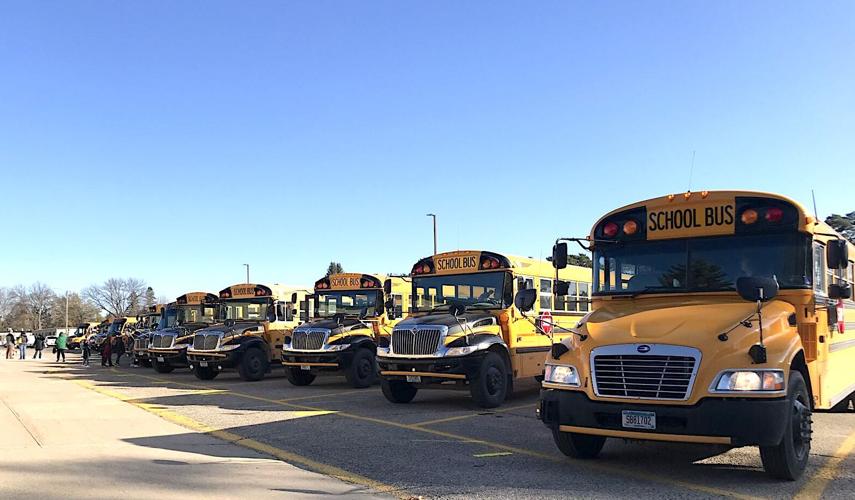
School bus drivers play a vital role in the educational ecosystem, ensuring that students have access to safe and reliable transportation to and from school. But they have been in low supply in Hutchinson and Litchfield.
“It’s a nationwide shortage,” said Roxanne Godejahn, bus manager at Hicks Bus Line in Litchfield. “We’ve had to combine a few of our extracurricular routes. There’s four or five of us that are licensed in the office. Sometimes we end up pulling them out of the office to go drive around. There’s been times where our dispatch has been empty with nobody answering phones or two-way radios.”
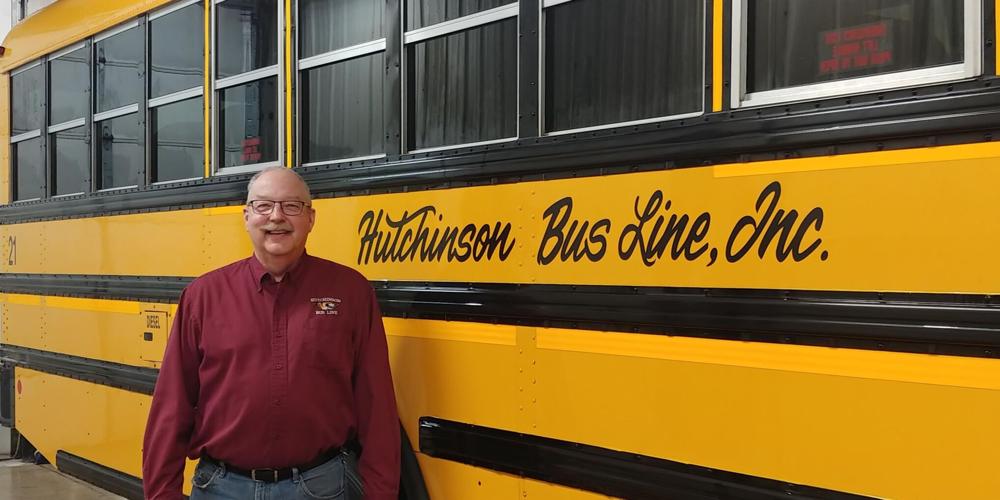
Hutchinson Bus Line, sister company to Hicks Bus Line, faces similar challenges.
“It’s mostly Tuesdays and Thursdays that are a problem,” Paul Meyer, general manager at Hutchinson Bus Line, said. “We need a lot of buses for the sports events.”
Hicks and Hutchinson bus lines are not alone in facing the challenge, of course. The Economic Policy Institute reported that school bus driver employment continues to be far below pre-pandemic levels. There were approximately 192,400 bus drivers working in K–12 schools nationally this past September, down 15.1% from September 2019.
Drivers do what they can to help each other out, and Godejahn said she drives if she must while coordinating efforts to get other routes covered. She often calls on substitute drivers and Hutchinson Bus Line when there is no other option.
“I have 28 full route drivers,” she said. “I have nine substitute drivers that I can call, but only three that help out regularly when called.”
“The scheduling is somewhat challenging,” Meyer said. “But our drivers are very reliable. We have quite a few retirees who have worked 20 to 30 years and they’re used to going to work every day. And so you know, and they show up every day.”
Hicks Bus Line also employs many retirees as bus drivers.
“They are our biggest demographic of drivers,” Godejahn said. “We also try to recruit farmers as well since their slow season is in the winter.”
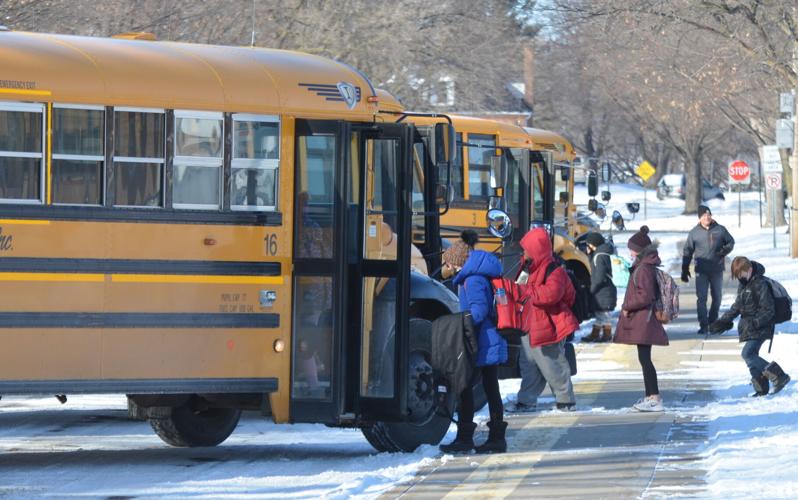
A typical day for a Litchfield school bus driver starts at 6 a.m. with them checking their bus to make sure everything is functional. Then drivers head out to get the students, starting with middle school and high school since they begin sooner. The morning route finishes around 8:15 a.m. after all students are dropped off and the bus is in the garage. At 2:30 p.m. the buses start again, and can go as late as 4:40 p.m. if the driver has a longer route, such as to Cosmos, Godejahn said.
“We also have paraprofessionals that drive the buses that get off with the students,” Godejahn said. “Our special education buses also run throughout the day going to different parts of the town.”
Recruiting is all Godejahn and Meyer can do to combat their shortages.
Hutchinson Bus Line posts open positions on social media, which has been effective, Meyer said.
“Right now we’ve trained one new driver in December, and we have one more ready for testing now in January,” he said.”
Godejahn hasn’t had the same luck with recruiting drivers.
“I’ve had a lot of applicants, but sometimes they get deterred by how many steps are required,” she said. “We must follow everything by the law in the immense training that we do, so that you are safe, because in our big buses we don’t have aides that ride the bus. So we have to train our drivers to maintain the driving aspect of it and discipline the students. So a lot of people that do come in and apply, one of the big things is ‘How’s the discipline doing on the job? How are the kids?’ That’s what scares a lot of people is the discipline on the buses.”
Beyond discipline, trainees must also have at least a commercial driver’s license, with school bus and passenger endorsement to drive. Godejahn said Hicks Bus Line pays for training.
Meyer and Godejahn said they support current drivers however they can.
“The office personnel let regular road drivers take field trips, so they can drive and watch their kids play at events,” Meyer said. “This also helps us a lot with getting more volunteers for those routes.”
In addition to practical support, Godejahn provides small activities to alleviate the stress of the job, fostering a positive atmosphere among drivers.
“I set up a hot chocolate bar the other day for National Hot Chocolate Day,” she said. “And we have bingo cards where we hand out prizes like chips and gift cards to winners. We’ll have parties and picnics for holidays. We also celebrate our drivers on School Bus Driver Appreciation Day (Feb. 21).”
Despite their efforts, both Godejahn and Meyer admit there’s no quick fix to the shortage issue, emphasizing the need for ongoing recruitment to meet the demands of the day-to-day operations.