

Litchfield’s push for a community wellness and recreation center received a significant financial boost last week with the Minnesota Legislature’s approval of a $1.369 billion bonding bill.
Lumped in with a laundry list of capital projects ranging from bridge and road repair to municipal water and sewer system upgrades to building construction was $5 million for the Litchfield Wellness Center.
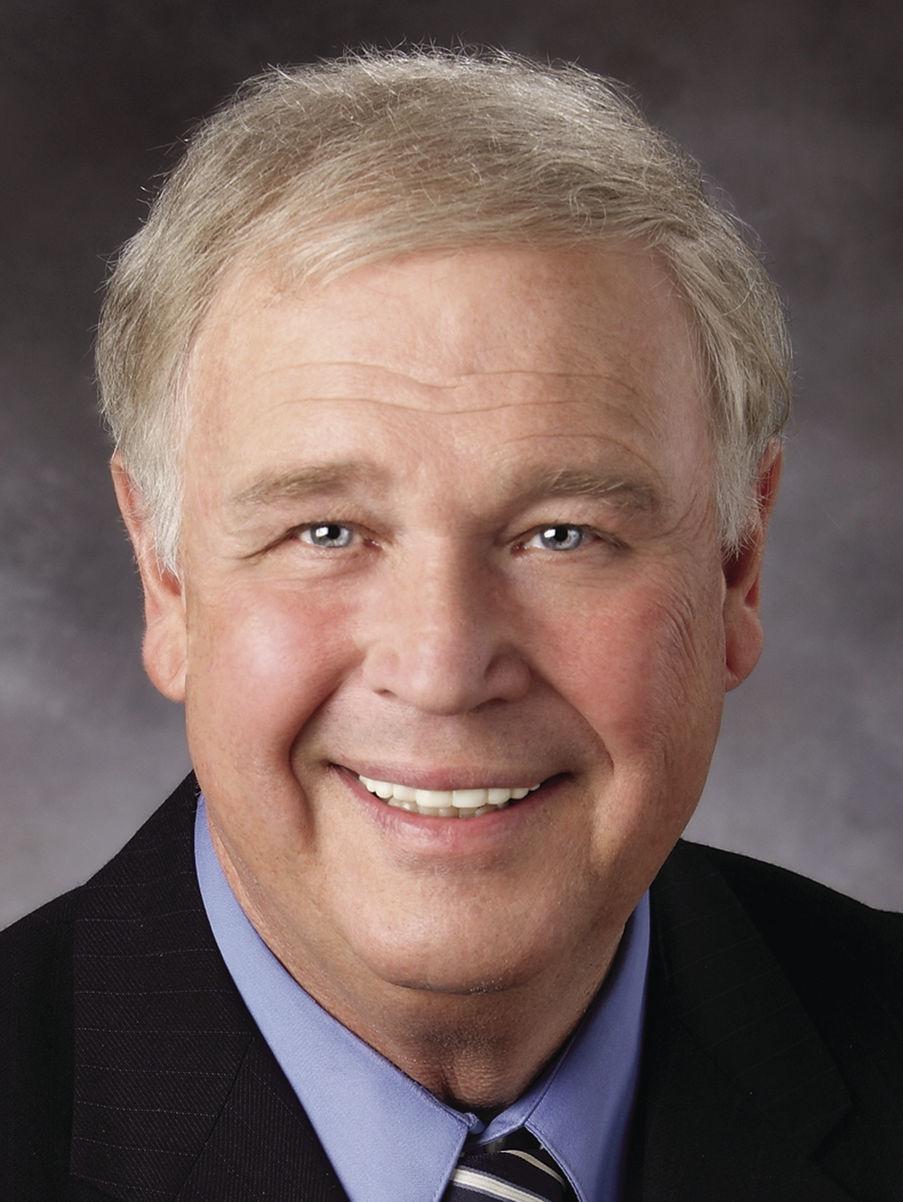
The city has discussed the wellness and recreation center concept for a number of years, with discussions growing more serious in the past several months as state Rep. Dean Urdahl, R-Acton Township, offered to assist with tracking down state funding.
Urdahl, the Republican lead on the House of Representatives Capital Investment Committee, delivered on Thursday when the Legislature approved the bonding bill.
“(The bill includes) a lot of good things to meet the needs of the state,” Urdahl said. “Keeping in mind that my goal in this was to protect the assets of the state of Minnesota and take care of what the state of Minnesota owns. That’s why we bond.”
The House voted 100-34 to approve the bonding bill, which has been stalled for months as Republicans have tried to reign in Gov. Tim Walz’s executive powers during the COVID-19 pandemic.
Urdahl said he had to work against his own party leadership’s wishes at times to finally gain enough Republican votes to pass the measure.
“This was maybe the hardest thing I’ve done in my 18 years is helping get this bonding bill done,” he said. “That includes the Capitol restoration. I would say this was harder than that. For the last six months we’ve been trying to put this together.”
Initially, Republicans said they would oppose the bonding bill unless the governor rescinded his executive orders, the House Minority Leader Kurt Daudt, R-Crown, said there would be no bonding bill unless it was paid for.
“I’m not saying these weren’t valuable restrictions … on the face of it, I agree with that, but we ran into a time where that just wasn’t going to work,” Urdahl said.
Bonding bills require a “super majority” for approval in the House. With all 75 DFL members expected to approve, at least six Republicans needed to vote in favor. In the end, 25 Republicans joined in approving the bill.
That was no small task, Urdahl said, given that several legislators opposed the bill, even though it included bonding for projects within their own district.
“This is our responsibility for the state to do this,” Urdahl said of bonding. “(The Republican) caucus wanted a smaller bill that still addressed the needs of greater Minnesota to the greatest extents possible.”
Along with funding for Litchfield’s wellness center, the bonding bill includes other regional projects, such as $3.1 million for restoration of Otter Lake and Campbell Lake in Hutchinson, and $1 million for the Dassel-Cokato recreation center.
About $270 million will go to municipal water projects throughout the state, nearly double the amount that’s ever been funded in a state bonding bill. College and university building will receive $160 million, affordable housing projects will receive $100 million, with another $300 million for highway projects.
While those are big numbers, the wish list was even bigger, Urdahl said, with requests totaling about $5 billion. When the Legislature convened for its regular session earlier this year, the DFL caucus sought about $3 billion in bonding, while Gov. Walz was looking at about $2 billion, Urdahl said. Meanwhile, Republicans wanted something closer to $1.2 billion.
But the bonding bill didn’t happen during the regular session, and it looked like it would wait until the 2021 session. In fact, in mid-September, Urdahl told local media that he didn’t think the bonding bill would be addressed in a special session.
He’s glad it did finally come together, however.
“It’s a good bill. It’s going to do good things for the state of Minnesota. And we’re going to pay for it,” Urdahl said.
For those worried about that last part — the paying for it — especially with the economic challenges created by the pandemic, Urdahl believes history is on his side.
“In 2008, we did have a $6 billion deficit, and we paid for it,” Urdahl said. “Capital investment generates revenue as well.”
The state has about 10,000 unemployed construction workers right now, Urdahl said. “This will put them to work. We need the stimulus that this will provide to get them going.
“In the end you’re always going to wind up with things you don’t like” with a bill that’s put together by five entities – Republican and DFL caucuses in the House and Senate, and the governor — “but it’s subjective,” Urdahl said. “You have to know in a bonding bill there will be some clunkers. You have to look at it in the grand scheme of things. Does this accomplish the needs of the state?”