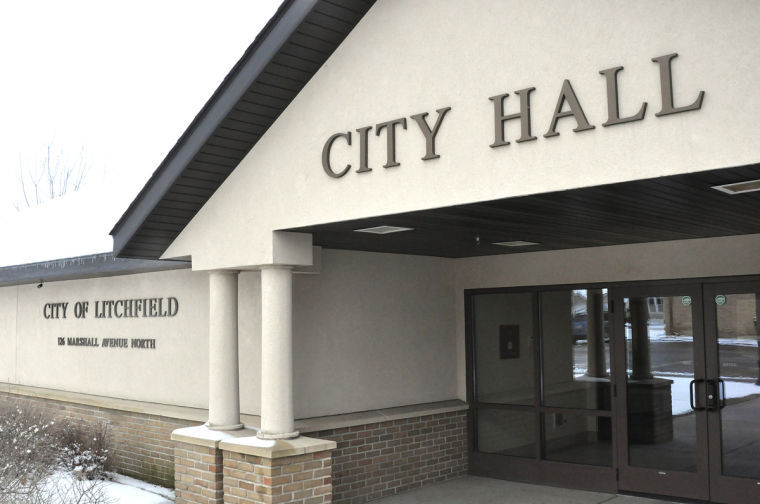


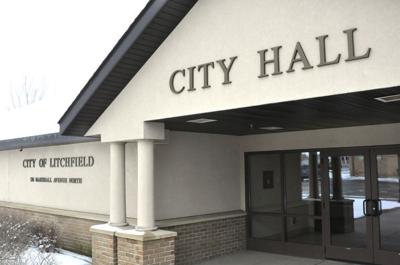
While acknowledging the financial challenges the coronavirus pandemic has placed on many, the Litchfield City Council approved a resolution during its Aug. 17 meeting to have city staff pursue collection efforts — including shutting off utilities — on more than 100 past-due accounts.
Past-due utility accounts represent about $40,000 due to the city, according to City Administrator Dave Cziok.
Collecting on those accounts now is important, Cziok said, since Minnesota’s “cold weather rule” prohibits disconnection of utilities from Oct. 15 through April 15.
COVID-19 has left some people struggling to pay bills, because of lost jobs or reduced work hours, but that doesn’t appear to be the root of the problem for most of the 115 accounts that are past due.
“Over two-thirds of these, staff would term as frequent fliers,” Cziok said. “Some have not paid since October of last year.”
Staff has attempted to set up payment plans with many residents who have past-due accounts, but follow through on those plans has not been consistent.
“We’re not the only ones,” Cziok said of the city’s struggles to collect on accounts. “Meeker Co-op is looking at similar action.”
Cziok said that the city of Wasceca instituted a program that to help past-due accounts catch up and avoid disconnection. But Waseca’s plan limited assistance to residents who were current in March, at about the time the pandemic began wreaking economic havoc on the country.
If Litchfield were to follow a similar approach, only about 30 of the 115 past-due accounts would qualify for assistance, Cziok said. Those 30 accounts represent about $10,000 in past due bills.
Determining who would receive assistance could be an unwelcome burden for city staff, he added.
“Staff is a little sensitive to the folks that have called in,” Cziok said. “They have signed up with a payment plan and met the terms. How do we hand out (assistance) to those who did not comply and not to those who have?”
Mayor Keith Johnson asked how many residences would be disconnected from utilities if the collection efforts were pursued.
“That depends,” Cziok said, adding that staff faced the difficult decision of shutting off utilities during the last billing cycle three weeks ago, but “didn’t feel comfortable we had provided the public enough notice. We need to probably let people know … this is going to happen. That might help that compliance.”
Council member Ron Dingmann asked whether CARES Act funding from the federal government might be used to fund a grant program that could help residents catch up. Cziok said he would want staff to see if such a program was even possible.
With some accounts already in the “thousands of dollars,” Cziok said, administrative staff was worried that without action before the “cold weather rule” goes into effect, the past-due amounts would continue to grow.
“If they are granted 18 months of (not paying) utility bills,” Cziok said, “you’re never going to see that.”
While expressing sympathy for those who have hit hard times, Council member Vern Loch Jr. also thought it was time for the city to act to encourage catch-up on past due accounts.
“Pre-COVID (past due accounts), I have very little sympathy for that group,” Loch said. “Once COVID starts, then you get to a crunch point. We have to entertain shut-offs (or) come March … it is going to be very high.”