

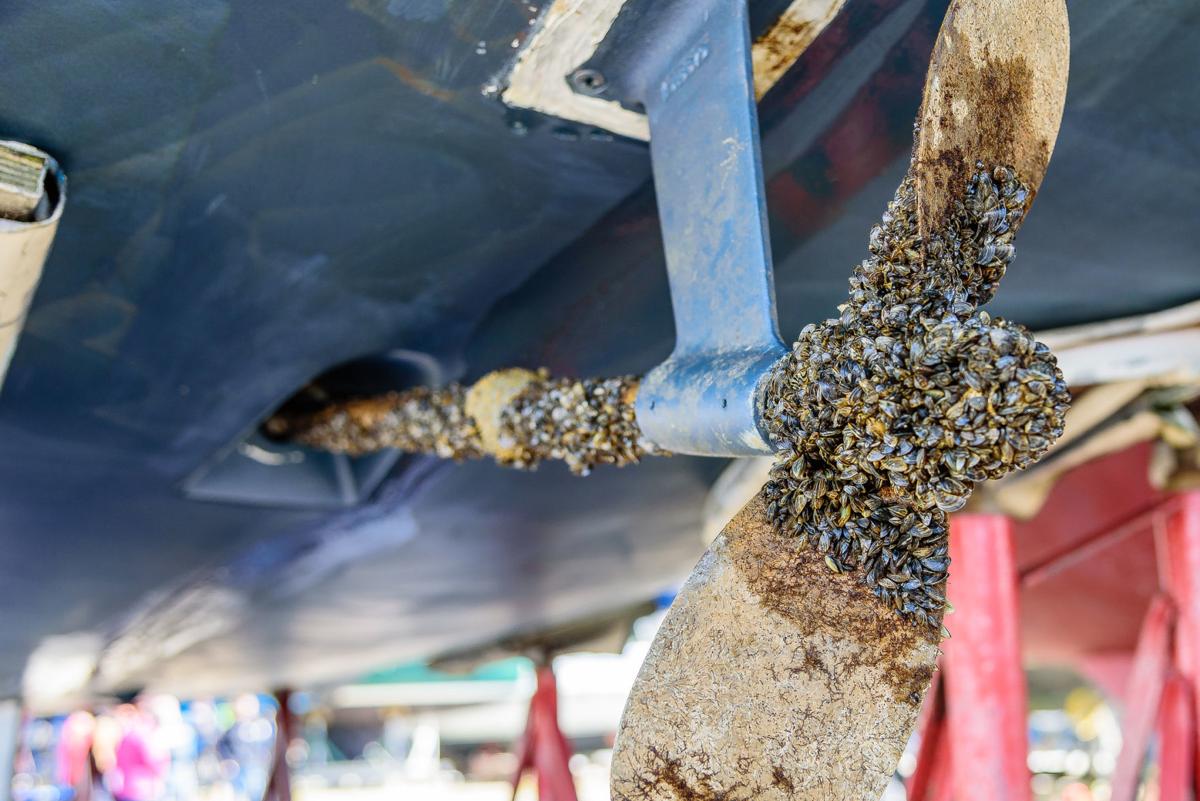
In an effort to fight aquatic invasive species, Meeker County officials stress the importance of following the "Clean, Drain, Dry" procedure this fishing and boating season.
To prevent the spread of invasive species, including zebra mussels and Asian carp, recreational water users are asked to do their part by cleaning, draining and drying all boats, trailers and gear.
People taking watercraft on local bodies of water should:
- Clean off visible aquatic plants, animals, and mud from all equipment before leaving water access.
- Drain watercraft bilge, livewell, motor and other water containing devices before leaving water access.
- Dry everything for at least five days, or wipe with a towel before reuse.
For anglers, an additional step recommended: Dispose of unwanted bait, worms and fish parts in the trash. When keeping live bait, drain bait containers and replace with spring or de-chlorinated tap water. Never dump live fish or other organisms from one water body into another.
According to a news release from Meeker County, county partners, lake associations and several organizations and individuals who have united under a common theme of "Clean, Drain, Dry" to ensure clean waters, open access and a vibrant outdoor economy.
Meeker County recognizes that Minnesota communities rely on healthy natural resources and citizens engaged in the fight against invasive species. "We are all reminded to take action and become part of the solution for protecting our lakes, rivers and streams,” the news release states.
Working with partners across the state, Wildlife Forever coordinates community-based outreach, marketing and educational resources to slow the spread of invasive species, or AIS.
“Clean, Drain, Dry unites all Minnesotans. Together, we are making a difference. Over 95 percent of the public comply with state AIS laws. That’s incredible and proof that what we’re doing is working to keep our lakes and streams healthy,” said Pat Conzemius, executive vice president of Wildlife Forever. “We are grateful for Crow River Organization of Water working to educate the importance of AIS prevention.”


