



There is plenty to hash out between Republican and DFL plans to improve Minnesota’s roads and bridges, but one component of a plan passed in the GOP-controlled Senate may turn heads locally.
Late last month, the DFL-controlled House approved a $7.2 billion transportation plan with more than $1 billion in new spending funded with a variety of tax increases, namely a 20-cent increase to the state gas tax. Last week, the Senate approved a $6.63 billion funding package with almost no tax or fee increases, save for those levied on owners of hybrid or electronic cars.
Sen. Scott Newman, R-Hutchinson, is one of the authors of the Senate bill. He is chair of the Transportation Finance and Policy Committee.
“I am looking forward to working with my colleagues on a transportation funding package that meets the needs of Minnesotans – without the tax increases as proposed by the House and Gov. Walz,” Newman said. “We can fund the needs of communities across the state by spending responsibly and allocating our resources where there are the greatest needs.”
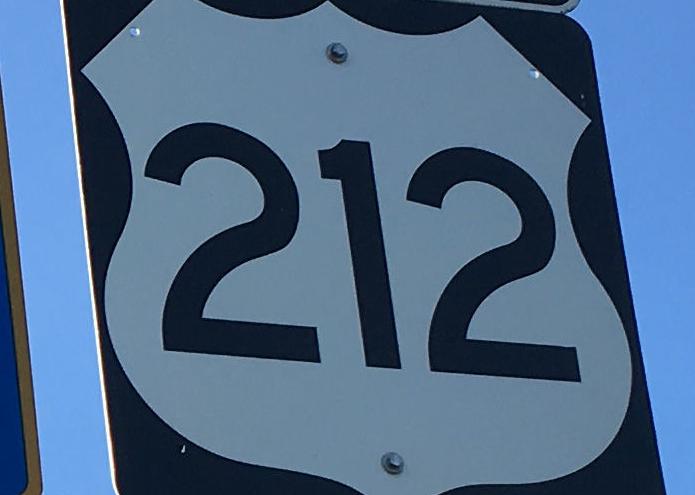
Included in the Senate bill is $38 million in trunk highway funds to complete the four-lane expansion of U.S. Highway 212 between Cologne and Norwood Young America.
The improvement has long been sought by local representatives and officials along the highway, including in McLeod County. Following previous expansions, two sections between Chaska and Norwood Young America is all that remains two lanes. Funding for the section between Chaska and Cologne is nearly complete.
“Safety is the No. 1 issue, but this is economic development for McLeod County,” said Doug Krueger, vice chair of the McLeod County Board. “We’re looking at a bottleneck for truck traffic in McLeod County and Sibley County.”
Most regional centers in rural Minnesota have a continuous four-lane connection to the metro area, but McLeod County, a center for manufacturing and agriculture with a large commuting population, is one of the few exceptions.
“It’s great to see this provision included in the Senate’s transportation bill,” said Rep. Glenn Gruenhagen, R-Glencoe. He has authored and co-authored provisions seeking similar funding for the past six years. “This is something that has been worked on since the 1960s.”
A transportation conference committee, which includes Newman, will hash out the differences between the two plans.

