

The fall into the icy stream proved to be near fatal.It was winter, a snowstorm had just recently passed through the region, and John McClelland’s feet were beginning to freeze. He was frantically trudging across the countryside, painstakingly climbing through deep drifts of snow on his way north toward Cedar City (old Cedar Mills). His frozen feet began to swell so much that he was forced to cut off his boots and continue the march in his stocking feet. Though in bad condition, McClelland had to push on as another man’s life hung in the balance.
McClelland came to Glencoe early in 1856 — a time when the budding community was little more than a “camp.” He, along with a gentleman named Dr. Frederic Ripley from Shakopee, came under the employment of Bell & Chapman, for whom they were tasked with heading north to build a log structure at Cedar City.
Cedar City was a town on paper alone. It was situated near the shores of Cedar Lake, on the unoccupied property of Daniel Cross. This building was to be the first erected on the site and would serve as a stopping place for travelers heading through. With food enough to last them 10 days, after which they would be resupplied by their employers, McClelland and Ripley set out for the task at hand.
Upon arrival at the site, the two men felled some logs and built a small shanty to live in while they completed their task. After a few days of working, a severe winter storm swept through the area and was followed by bitter cold. The storm, of course, halted their employer from reaching them and left the men to fend for themselves. For two weeks they stayed in the shanty, but finally they were forced to vacate after their food supply dwindled to little more than a pound of dried apples and some rice.
With no food to fuel them, the men chose to head toward Forest City. However, they found the going tough. The recent snowstorm pummeled the ground with deep, heavy snow, and the winds that followed created large drifts across the open plains. On the first night they found a sheltered spot near a grove of trees. They had matches so made a fire, and other than being hungry they were somewhat comfortable.
The following day they headed out again, but at around noon found that they were lost. In the meantime, their matches had become damp and they could no longer start a fire. They decided that the best course of action would be to retrace their steps back to the shanty they started from.
When evening fell, McClelland and Ripley found themselves near the campsite they had made the night before, hoping and praying that some embers might be left from the fire. There were not, and they were forced to spend the night stomping their feet into the ground in hopes of keeping them from freezing. The next morning, the men started again for the shanty in Cedar City, but as they neared a lake, Ripley fell to the ground exhausted and proclaimed he could go no further. He wished to rest by the lake while McClelland headed back to the shanty, then intended to return to the doctor with dry matches.
Shortly after leaving the doctor, McClelland broke through the ice while crossing a stream. It wasn’t long before his feet began to freeze and swell. The pressure under his boots must have been immense, so he cut the boots from his feet and continued in his socks. He eventually reached the shanty and succeeded in starting a fire. He planned to dry his boots then to head back for the doctor.However, once his feet began to thaw, he found that they would not function and that he could no longer walk.
For 18 days McClelland lay in the shanty, living on the remains of the dry apples and rice that were left behind. During this time, he was cold, as he was only able to start a fire four times. When relief finally came, he was brought back to Glencoe and later to Shakopee where his feet were amputated.
Ripley’s remains were found two months later, roughly a half mile from where he was left by McClelland. His hat was hanging on a bush near where he lay, and a half-filled bottle of chloroform by his side.
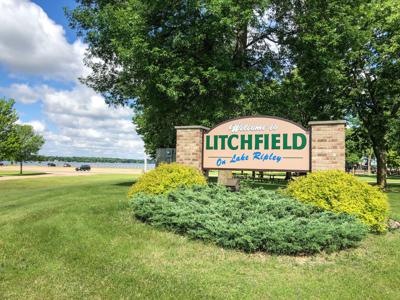
The lake near which he died bears his name to this day. The building the men set out to build in Cedar City was never completed. The city itself, though it attracted a few settlers, eventually drifted into history as well. Though he made it through the ordeal, McClelland would spend the rest of his life handicapped by the injuries he sustained.
Today, it’s all too easy to take our modern conveniences for granted. Cold feet are usually warmed fast and empty bellies are often filled. However, if you ever find yourself in a situation where our modern conveniences are of no use, make sure to keep your matches dry.

