

One thing Lois Ehnert’s students receive plenty of is variety.
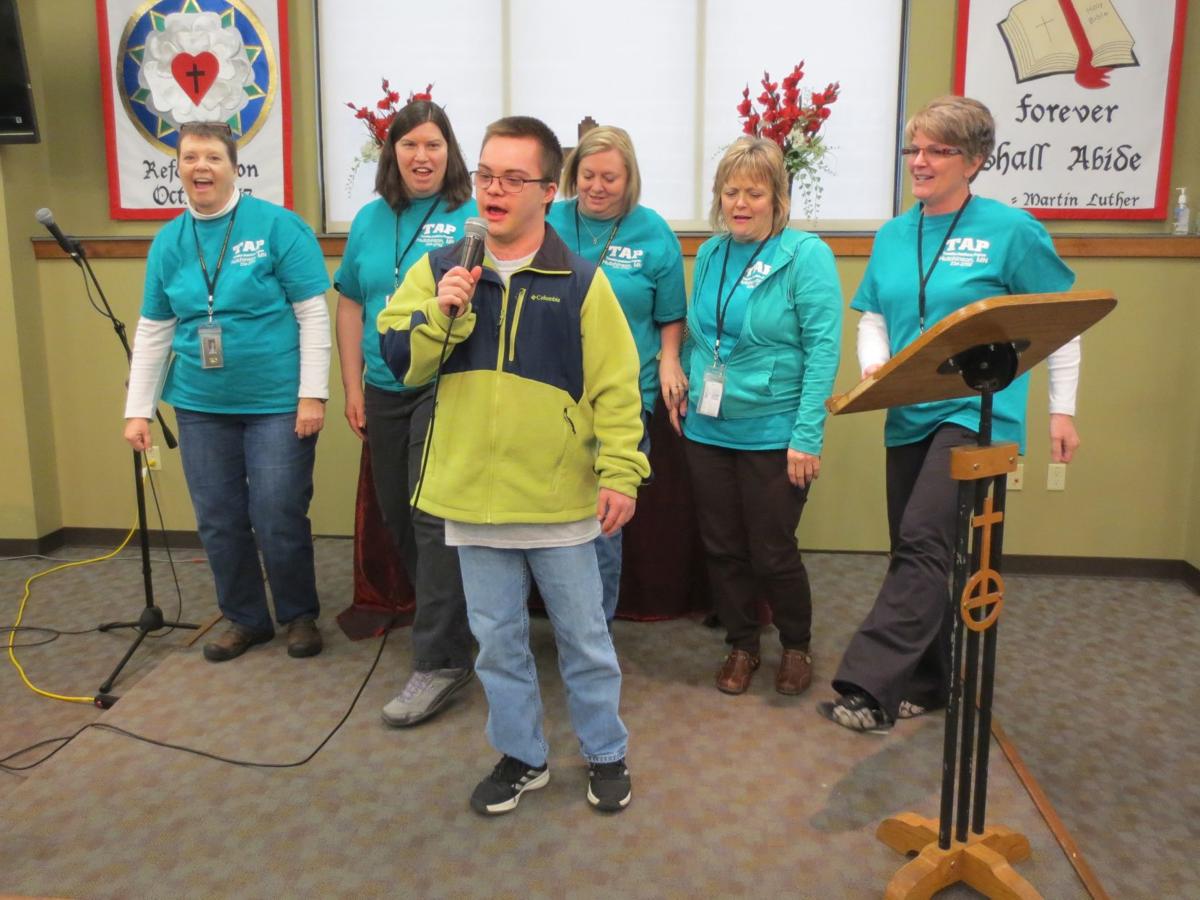
They might be found cleaning churches, delivering mail for Hutchinson Public Schools, working in lunchrooms, filling backpacks for Hunger Free McLeod, touring or helping out at local businesses or exploring Ridgewater College.
“We go wherever people invite us,” Ehnert said. She is tasked with helping students age 18-21 with disabilities transition out of high school.
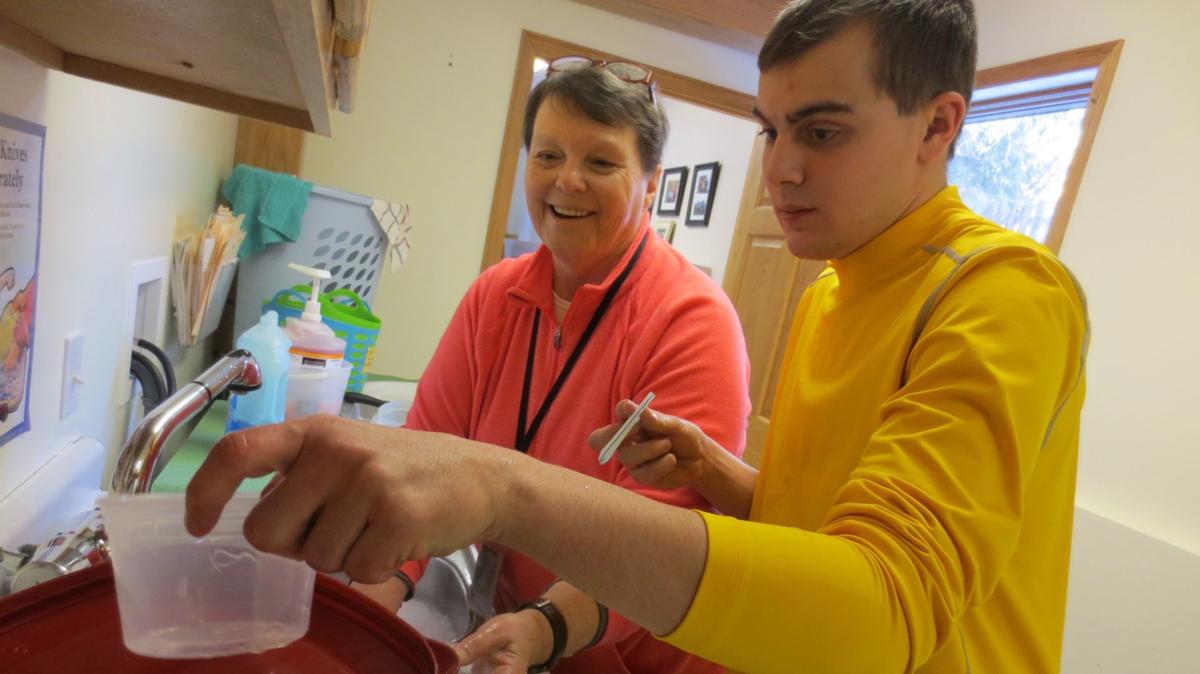
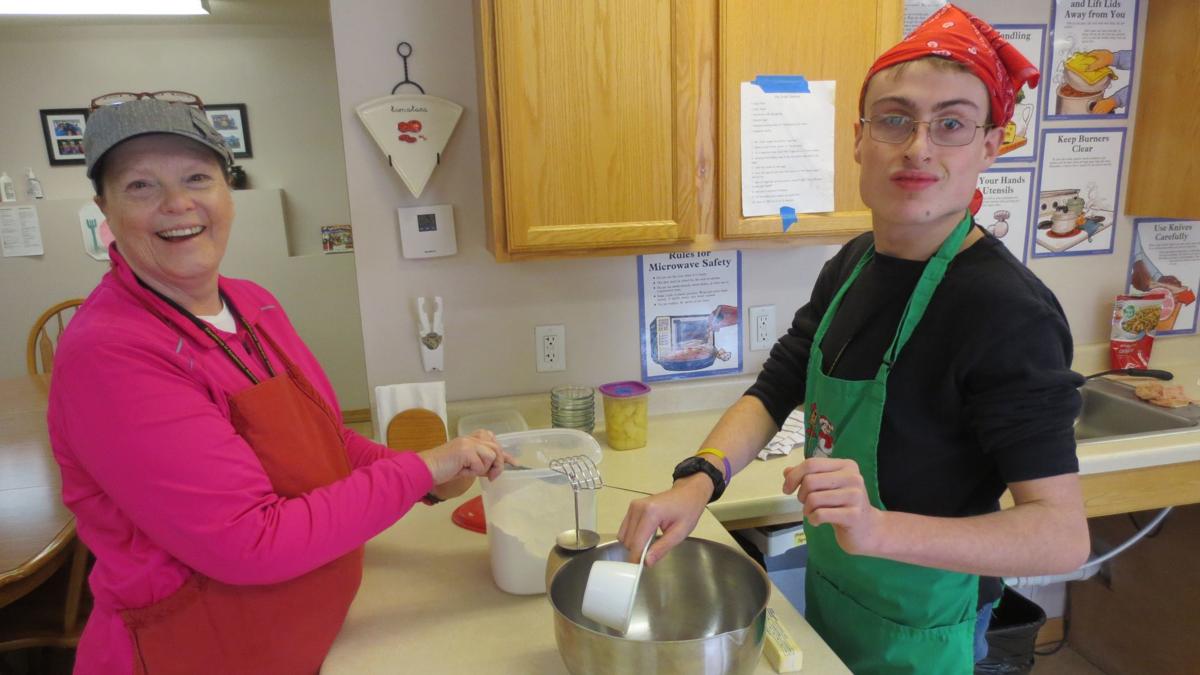
If they’re not out and about, the students of the Hutchinson Public Schools Transition Assistance Program, or TAP, are still busy at their cozy building across from Park Elementary, which may seem more like a home than a school. There is cleaning to be done, menus to create, groceries to shop for and meals to cook. A technical skills room gives the students a chance to see where their aptitudes may lie.
June 6 will be Ehnert’s last day bringing it all together. After 29 years in education, 20 of those years in Hutchinson and 14 years helming TAP, she’s ready to retire.
“They gave me the keys to this empty building 14 years ago,” she said. “In 2005 they said we need a transition program, go ahead. They gave me a charge account down at Ace Hardware and I learned how to fix walls and I painted this place and we started finding work sites and people to work with in the community. We have been here ever since. Everything in here came from my mind. Isn’t that scary?”
After so much time, Ehnert has found it challenging to leave.
“I almost left last year but I couldn’t do it,” she said.
What’s changed?
“I think they have the perfect person,” Ehnert said. “Leah Brown is coming up here (from the high school). She is young, she is energetic, she thinks like I do. She is going to put her heart and soul into it like I did.”
Community ties led to program’s success
Ehnert said the reason TAP is so accessible in its own building is because it is tied so closely to the community and has a strong connection to partners around Hutchinson.
“We have students whose skills don’t always transition from one place to another,” Ehnert said. “So if we can teach them what they are doing in the spot (where they will do it), that’s what we want to go for.”
All students in the program have completed four years in high school but do not have their diploma.
“What we do is try to help in any way we can to get them ready to support themselves and be able to cook, clean and be as independent as possible in their future setting,” Ehnert said. “We do that using whatever means we have, whatever we can come up with.”
The community response has been so positive that the program sometimes has more opportunities than for which it has students or staff. TAP has five coaches. So far 90 students have been with the program for one to three years.
“It’s very satisfying,” Ehnert said. “It’s good people see the value. We want people to see value in the students we work with. They are an important part of our community.”
In particular, she noted, students have bonded with residents at Ecumen Oaks and Pines where they deliver groceries.
“They go, knock on doors, pick up their list and money,” Ehnert said. “They do all that interacting and then they go make the purchases and then go back and show their groceries and give them their change.”
Ehnert is effervescent when she speaks about TAP or her students.
“They always make me smile,” she said. “They have a sense of humor, and the things they say and the things they do.”
She said she loves when she sees the students break away from the hovering of staff and tackle something on their own.
“The students are why we do this,” Ehnert said. “It’s just the students. It’s not because of a ton of paperwork sitting up there. It’s not the rules and regulations. It’s the students. It’s having that daily dose of — what would you call it? Just that interaction. I love the students. I love the program.”
Over the years, TAP has become fine-tuned with individual programs for each student.
“Sometimes we make students jump through hoops, here they develop the hoops,” Ehnert said. “They write agendas for meetings, we talk about things that are important to them.”
When she heads off for retirement, she knows she will miss her students and her staff.
“It’s hard,” Ehnert said. “I wrote little notes for my peers already. It’s so hard to walk away from those relationships we created here with each other. ... We have really forged a unique special bond, and they put up with me.”

