

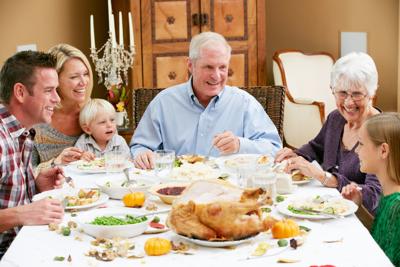

For most, Thanksgiving and the holidays are a joyful season, a time for gathering with loved ones for food, friendly conversation and shared traditions.
But with many Americans polarized more than ever over politics and cultural values, the prospect of spending three hours with relatives can also be a source of worry.
It need not be that way, according to Kayla Olson, a licensed independent clinical social worker with the Hutchinson Health Mental Health Clinic. The key, according to Olson, is to avoid conversations that may cause tension among family members.
“My recommendation would be to not bring up politics, religious differences, money and the kinds of topics that can cause conflict,” Olson said. “There’s definitely a time and place for these topics, and I would say Thanksgiving and the holidays are not the time to bring these up.”
Have an opinion you want to share with your politically diametric cousin Debbie about the recent election? In the interest of preserving family peace, hold onto that matter for another time.
Want to exchange views about a religious issue that’s causing rage in your Aunt Mary’s church? Having that debate between extra helpings of turkey and all the trimmings is probably the wrong time.
“Any strong religious views, gender issues such as LGBTQ, or politics would be topics that would not be appropriate dinner conversations,” Olson said.
Holiday entertaining can be stressful enough, with family members gathering in loud, confined spaces. Imposing your views on unwilling listeners might start an argument, or even worse, cause dinner guests to leave early. So set some grounds rules, if you must, much like many families forbid phones at the dinner table.
These “do’s” can help keep conversations civil and preserve family harmony:
- Talk with immediate family members about your anxieties or concerns regarding specific subjects before other guests arrive. "Talk to other loved ones about the support you need at that event,” Olson advised. For example, if you don’t want to share certain personal information with your grandmother, be sure to tell your parents and siblings in advance so they know your boundaries.
- Be mindful of differences of opinions. Respect others’ attitudes about issues. Avoid judging them about their views.
- Follow the 50:50 rule for listening and talking. Don’t dominate a conversation. And don’t be shy about talking. If you don’t contribute your own thoughts, the conversation may be come awkward.
- Talk about interests and hobbies. Sports can be a good topic, and it’s probably OK to discuss and even tease each other about team allegiances and rivalries. Church activities can also be discussed, as long as they don’t involve controversy. “If you know other people have different values, be sure not to bring it up,” Olson said.
- Play cards or other games.
- Create traditions. Some families partake in an outdoor activity after the big meal. Kids might play backyard games, while other family members take a quick neighborhood stroll.
- Reminisce. “You can talk about past, pleasant family events that you’ve done together,” Olson said.

