


As the coronavirus pandemic spreads across Minnesota and was recently confirmed in McLeod County, residents want to know how their local health care providers are responding.
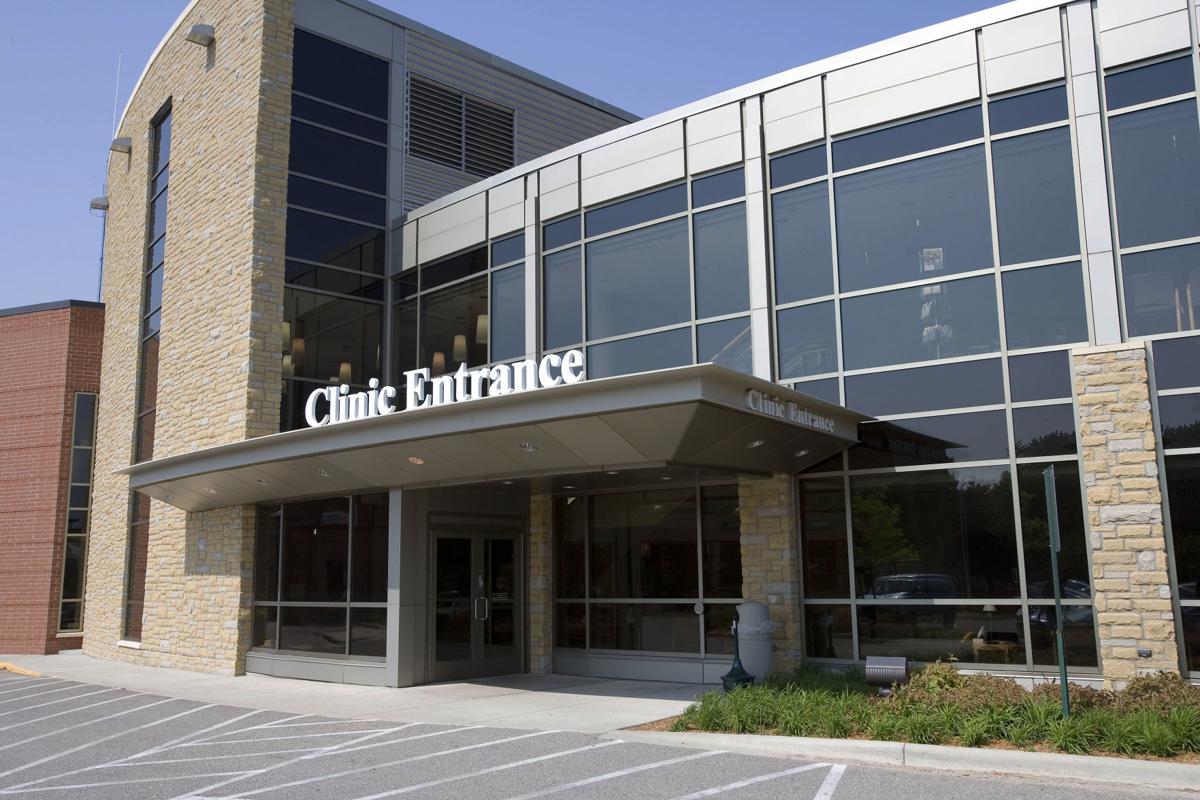
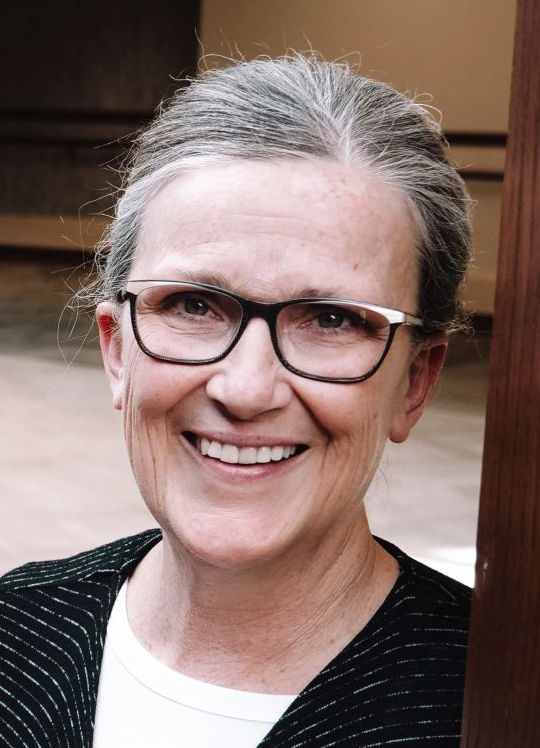
The Leader reached out to Glencoe Regional Health to ask how it is preparing for a possible surge in COVID-19 cases in the communities it serves. Members of the hospital's leadership team — Patricia Henderson, president and CEO of GRH, and Dr. Kristine Knudten, chief medical officer — responded to our questions.
How prepared was Glencoe Regional Health for this pandemic?

Patricia Henderson
Our organization has done a lot of work to prepare for an event of this magnitude. Our staff participate in many emergency preparedness drills and simulations each year, and we initiated our Incident Command early on to help us prepare for the arrival of COVID-19 in our state and the communities we serve. We also belong to the South Central Healthcare Coalition, which allows us to collaborate with community partners and organizations in other counties, who all share the same goal: To keep Minnesota healthy.
— Patricia Henderson, president and CEO
How many respirators and intensive care beds do you have? Has anything been done to bolster those numbers?
There are a total of eight ventilators available at Glencoe Regional Health. We do not have an ICU, but we are working to add additional hospital beds so we can stabilize and care for more COVID-19 patients who may need to be transferred to an ICU elsewhere.
— Dr. Kristine Knudten, chief medical officer
Are you stocking up on supplies? What help have you received from the community? What does the hospital need?
We have been amazed by the outpouring of support from our community. We know that we live in and serve an incredible community, but we’ve been blown away by the support we’ve been given. We’ve received everything from donations of masks and gloves, to snacks and to hand lotion. People want to rally together during this time, and we’ve appreciated the thoughtfulness and generosity of each person who has stepped forward and offered their help or shown their appreciation for our hardworking team.
Our materials management department has done an amazing job maintaining a stock of supplies that we’ll continue to need as we care for the health of our community. We’ve been stocking up on personal protective equipment (PPE) to help our employees stay safe during this time.
At this time, we have enough PPE to continue safely caring for our patients, but like every health care organization in the nation, we know there are potential challenges with nationwide PPE shortages, so we’re continuing to monitor the situation and are accepting donations from the public.
If anyone has items they would like to donate, they can call us at 320-864-3121 and ask to speak to our materials manager. He’ll work with them to coordinate their donation. We’ve especially appreciated the donations of homemade masks — the vibrant fabrics have not only added an uplifting bright spot to our days, but knowing that our community members have put their time, effort, compassion, and even prayers into creating the masks for us has made them all the more special.
What we truly need most is for people to continue to use preventive measures, like social distancing, staying home, washing your hands, covering coughs and sneezes, and disinfecting frequently touched objects. If you’re feeling unwell, please stay home unless you’re seeking medical attention. Avoid public gatherings and keep 6 feet of distance between you and others.
— Patricia Henderson, president and CEO
Do you have tests and are you using them?
In accordance with recommendations from the Minnesota Department of Health, we’re sending swabs to LabCorp and the Minnesota Department of Health for the following individuals:
Dr. Kristine Knudten
- Ill individuals (residents or staff) in congregate living settings (long term care facilities, prisons/jails, homeless shelters, etc.)
- Ill dialysis patients
- Ill hospitalized patients
- Ill health care workers taking care of immunosuppressed patients
- Ill health care workers and their ill household contacts
- Ill patients 65 years of age and older
- Ill patients with underlying medical conditions
- Ill first responders who provide direct medical assistance
- Ill child care providers
— Dr. Kristine Knudten, chief medical officer
How's morale at GRH?
Our staff feel the same concerns that the rest of the community does, but we’re ready to do what we’ve always done: Diligently care for the health and wellness of our community. We’re all in this together, and our team has been an amazing example of that. We continue to collaborate with one another to provide the best care possible, to prepare for what’s ahead, and to support and encourage one another during these challenges. The community’s support of our staff has been overwhelming and a boost to morale — often just when it was needed.
— Patricia Henderson, president and CEO
How else is GRH dealing with health care challenges during the pandemic that the public may not be aware of?
We are monitoring the recommendations of both the Centers for Disease Control and Prevention and the Minnesota Department of Health daily. They provide us with guidance through this unprecedented time. As health care workers, we are all part of larger organizations such as the American Medical Association, American College of Emergency Physicians, American Academy of Family Physicians, etc. These organizations prepare information and recommendations for their members as well. Physicians and advanced practice providers throughout the country are sharing their experiences with others in their field, so we can get a better idea of what to expect.
Here in Glencoe, we are doing everything to keep patients as safe as possible, while continuing to provide care that is needed. Many of our visits are turning into phone or video visits if the patients do not need to be seen in-person. We have also turned our Lester Prairie and Stewart locations into "well clinics," where we care for patients who are not experiencing any symptoms of an upper respiratory disease. This allows us to continue to safely care for patients with chronic diseases or new issues. Starting on April 13, all people coming into a satellite clinic will be screened to ensure they are not currently ill. Additionally, all staff are wearing masks daily to help prevent the spread of disease.
Our providers have developed a great understanding of this disease, and what we need to do to help anyone that is symptomatic get the care they need.
— Dr. Kristine Knudten, chief medical officer

